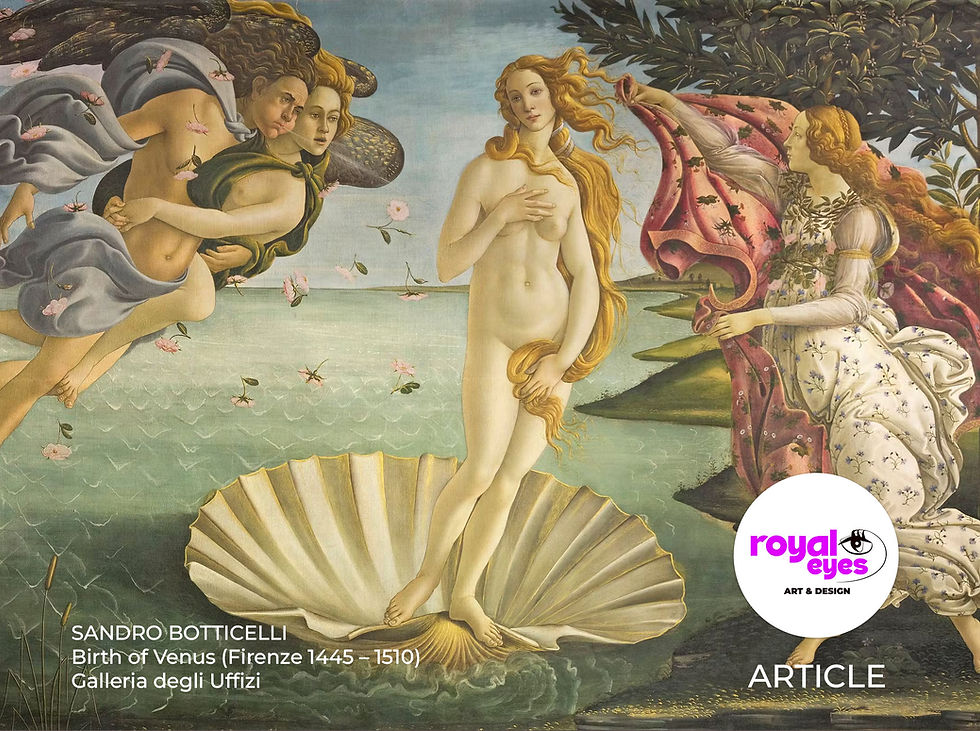
Can Art Function in Branding?


THE CONFLICT OF TWO WORLDS
Design and art are often perceived as closely related disciplines. In reality, however, they stand on opposite ends of a spectrum. The difference lies not only in aesthetics, but in logic, goals, and responsibility.
Art is free, subjective, and open to interpretation. There is no right or wrong reading. Design, on the other hand, is bound to function. It must be clear, purposeful, and serve a specific goal.
While art can exist for its own sake, design fails the moment it stops serving the user.
THE PHENOMENON OF ART INFUSION
Can art truly function within design—and more than that, can it become part of branding?
Our answer is yes, if art itself becomes functional.
This perspective is supported by research conducted by Henrik Hagtvedt and Vanessa M. Patrick, who explore the phenomenon known as Art Infusion. It is a psychological effect in which the mere presence of visual art changes how people perceive products and brands.
In their study Art Infusion: The Influence of Visual Art on the Perception and Evaluation of Consumer Products, the authors demonstrate that products visually connected to art—through packaging, advertising, or visual identity—are perceived as more valuable, luxurious, and prestigious.
Interestingly, this effect works independently of the artwork’s actual content. What matters is not what the image depicts, but the fact that it is perceived as art. Art carries cultural and symbolic weight that is automatically transferred to the object it is associated with.
This transfer of meaning does not stop at the product level. In a follow-up study, Art and the Brand: The Role of Visual Art in Enhancing Brand Extendibility, the authors describe how perceived exclusivity and value “spill over” onto the brand itself.
Brands associated with visual art are perceived as more sophisticated, culturally grounded, and valuable. The connection between art and brand therefore operates not merely on an aesthetic level, but on a level of meaning—this is where art becomes a strategic tool.
FUNCTIONAL ART AS A BRANDING STRATEGY
So how do we create functional art?
Successful integration of art into brand identity requires more than art alone. A beautiful, random image is not enough. Branding is built around a brand’s personality, vision, values, mission, and goals. When unrelated artistic elements are added merely to appear “artistic,” the result is exactly what purists warn against: kitsch.
At the same time, art must never overpower functionality. Visual identity, as a brand’s primary communication tool, must respect the principles of design.
The key to using art as a branding strategy lies in asking so-called “unusual questions.”
In the creative process, we do not ask only:
What do I like?What do I want to express?
But rather:
What is right for this brand?
What does this brand truly express?
And in design, we do not ask only:
What works mechanically?
But also:
What works deeply—intuitively, emotionally, meaningfully?
When art is derived from a brand’s values, goals, and mission from the very beginning, it ceases to be a purely aesthetic element. It becomes strategy.
And it is precisely at this point that the conflict between art and design turns into collaboration—not a compromise, but a conscious integration of meaning and function.
Click on the button below to read about our first art in branding case study.